Where Science Meets Soul
Stay Connected with Us
Download Our App
Where Science Meets Soul
Stay Connected with Us
Download Our App
Where Science Meets Soul
Download Our App


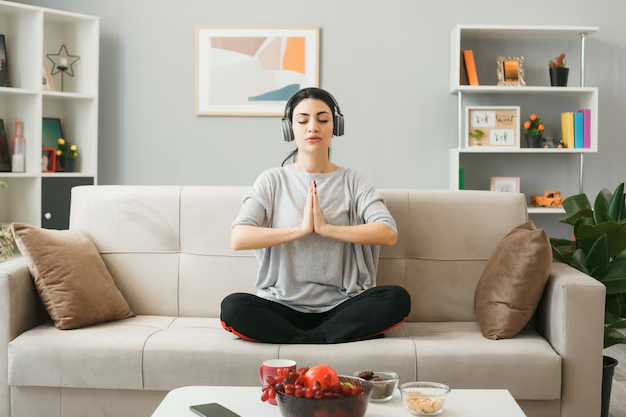
At our clinic, we take a personalized, integrative approach to OCD care, blending traditional medical evaluation with holistic strategies to support optimal brain function and nervous system balance.
We aim to help patients reduce intrusive thoughts, improve emotional regulation, enhance mental clarity, and support long-term nervous system balance, empowering each individual to feel more in control and less limited by compulsive patterns.