Where Science Meets Soul
Stay Connected with Us
Download Our App
Where Science Meets Soul
Stay Connected with Us
Download Our App
Where Science Meets Soul
Download Our App
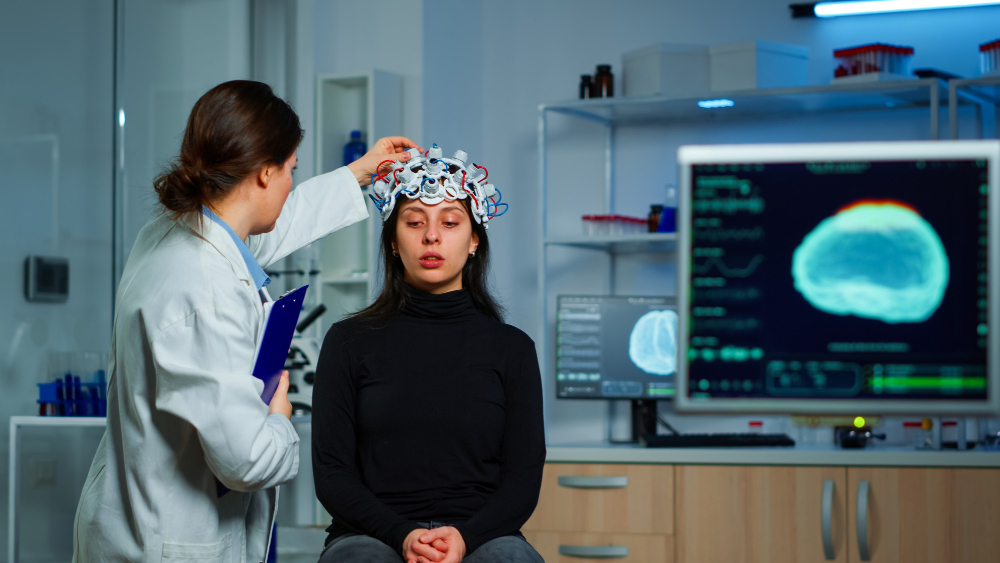
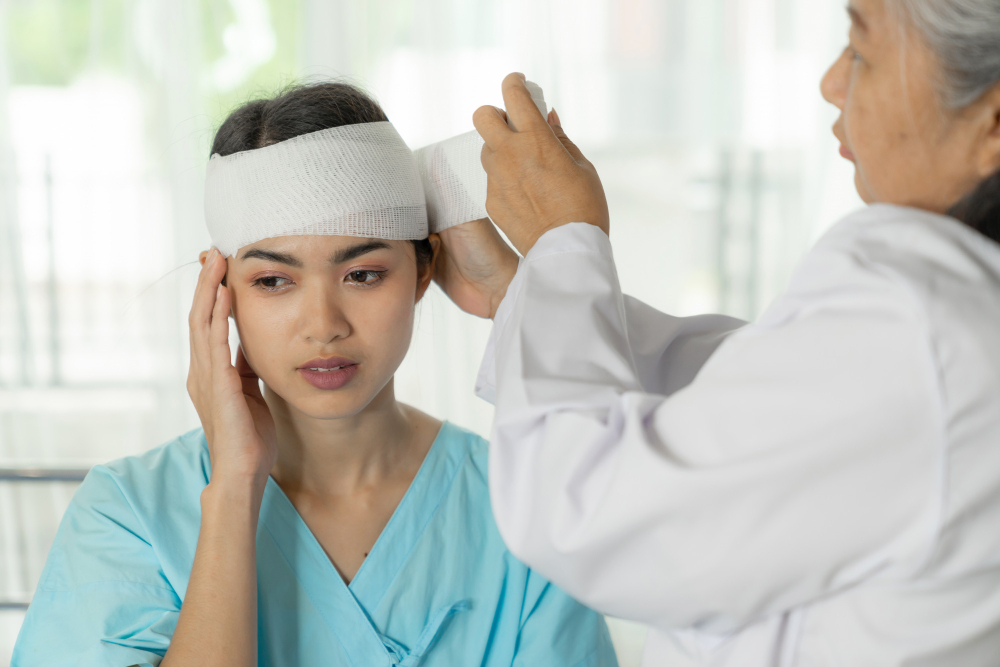
At our clinic, we take a personalized, integrative approach to concussion recovery, blending traditional medical evaluation with targeted strategies to support brain healing, reduce inflammation, and restore optimal neurological function.
We aim to support brain healing, improve cognitive function, reduce symptoms, and enhance resilience, helping each individual return to optimal performance and long-term neurological health.